Cyberattackers do not need to know your name, your CEO, or even what your company does. They only need to find one exposed system, one weak password, or one mistake they can exploit. The real question is not whether your organization is interesting enough to attack, but whether it is prepared when someone tries.
By Shimon Sagron, Head of Cybersecurity at ICTBIT
One of the questions I hear most often in conversations with management teams and IT departments is:
“Why would anyone attack us?”
I understand where that question comes from. The organization is not a major bank, a defense company, or a business that appears regularly in the headlines. It operates quietly, serves its customers, and does not seem like an obvious target for a focused cyberattack.
But that is exactly the point: in many cases, the attack is not focused at all.
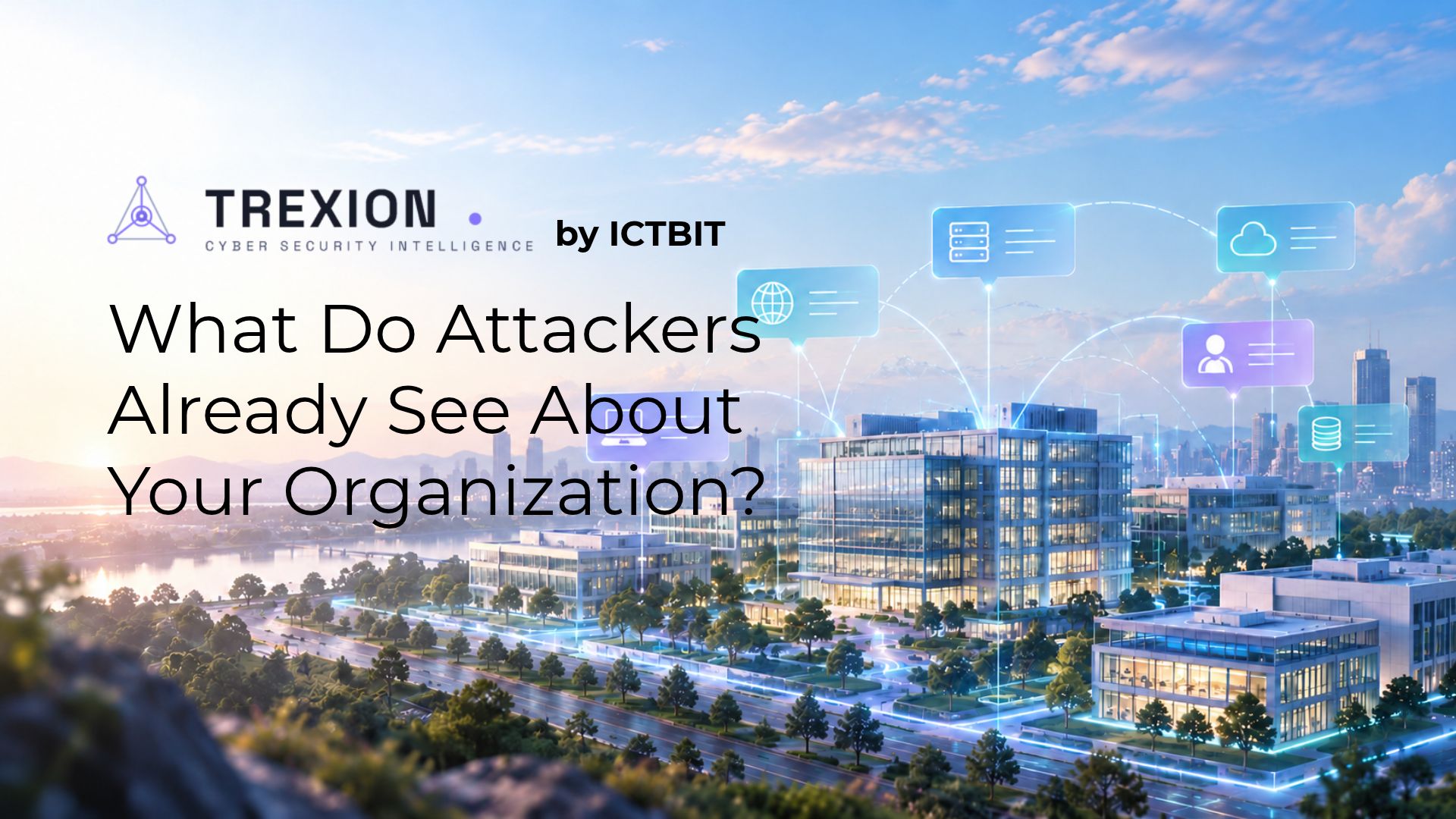
Attackers do not need to know the name of your company, who the CEO is, or what services you provide. Automated tools scan the internet continuously, searching for unpatched servers, exposed management interfaces, open services, weak passwords, and accounts without multi-factor authentication.
Once they identify a possible entry point, they try to exploit it.
From the attacker’s perspective, it makes little difference whether the organization has five employees or several thousand. Your business does not need to be high-profile. It only needs to be exposed.
An organization does not have to be interesting to an attacker. It only has to be accessible.
The Problem Is Not Always Technological
I often meet organizations that have already invested in cybersecurity tools, yet are still not truly prepared for an incident.
They have backups, but no one has recently tested whether those backups can actually be restored.
They have monitoring systems, but it is not always clear who responds to an alert, how quickly they are expected to act, or what happens next.
They have permissions that were granted years ago and are no longer required.
They have employees who want to report something suspicious, but do not know who to contact or whether the issue is serious enough to raise.
In these situations, the weakness is not necessarily the absence of another security product. It lies in the gap between technology, processes, and people.
This is also why the belief that “we are not a target” is so dangerous. It creates a false sense of security that leads organizations to postpone decisions, leave known gaps unresolved, and assume that someone else is already handling the issue.
When cybersecurity is treated solely as the responsibility of the IT department, an even greater risk emerges: no one else feels accountable.
Cybersecurity Is a Business Issue
A cyber incident is not just a technical problem.
It can disrupt operations, shut down services, compromise sensitive information, cause financial damage, and expose the organization to legal, regulatory, and reputational consequences.
That is why one of my first recommendations to management teams is not to leave this discussion entirely in the hands of IT and cybersecurity professionals.
Executives do not need to analyze malware or understand every security platform. They do, however, need to understand which systems are critical to the business, what would happen if those systems became unavailable, who has access to sensitive data, whether operations can be restored, and who makes decisions during an incident.
The ability to answer those questions is an essential part of managing business risk.
What Does Real Readiness Look Like?
When I assess an organization’s cyber readiness, I do not begin by asking which security tools it has purchased.
I begin with a more fundamental set of questions – questions every management team should be able to answer:
- Which systems and data repositories are critical to the organization’s operations?
- Who has access to them, and are all of those permissions still necessary?
- What would happen if an employee’s or executive’s account were compromised tomorrow morning?
- Can the organization restore its data and systems, and when was that recovery process last tested?
- Do employees know who to contact when they identify a suspicious message or unusual activity?
- Is there a clear incident response plan, and has the organization ever practiced it?
An organization that cannot answer these questions is not necessarily unprotected. But it is an organization that does not yet know how prepared it truly is.
Security Starts with Culture, Not Only with Tools
Backups, monitoring, access management, security updates, multi-factor authentication, and threat detection systems are all essential.
But they are far more effective when they operate within the right organizational culture.
That means creating an environment where an employee feels comfortable reporting a suspicious email, even if it later turns out to be harmless.
It means managers asking questions even when they are not technology experts.
It means building response processes before an incident occurs, rather than improvising once the organization is already under pressure.
And it means treating cybersecurity as a shared responsibility, not as a problem that someone in IT will eventually resolve.
The goal is not to build an organization in which no one ever clicks the wrong link.
The goal is to ensure that one mistake does not immediately become an incident that disrupts the entire business.
The objective is not to eliminate every possible mistake. It is to prevent one mistake from becoming an organizational crisis.
You Do Not Have to Fix Everything at Once
One of the most important things I tell clients is that readiness does not necessarily begin with a large, expensive project or the replacement of every existing system.
It begins with understanding the current situation.
Start by mapping critical systems. Review permissions. Close obvious exposures. Confirm that backups work. Define an incident response process and test it.
From there, establish clear priorities and address gaps according to their level of risk and their potential business impact.
In many organizations, the greatest improvement does not come from the most advanced technology. It comes from getting the fundamentals right and managing them consistently.
From a False Sense of Security to Genuine Readiness
I do not believe organizations should operate from a place of fear.
The right approach is to recognize that every organization connected to the internet is exposed to some degree, and then take practical, measured steps to reduce that exposure.
Any organization can become a target. But no organization has to remain an easy one.
Real cybersecurity begins when we stop asking:
“Why would anyone attack us?”
And start asking:
“What would happen if they did – and how prepared are we?”
At ICTBIT, we help organizations answer that question in practical terms: assessing their current security posture, identifying the most significant gaps, and building the processes, technologies, and working culture required to strengthen long-term resilience.
The goal is not to guarantee that no one will ever try to get in.
The goal is to make sure the organization is ready when they do.