Making SolarWinds a Monitoring Platform Your Team Can Trust
How precise configuration and continuous tuning help IT teams act on the alerts that matter
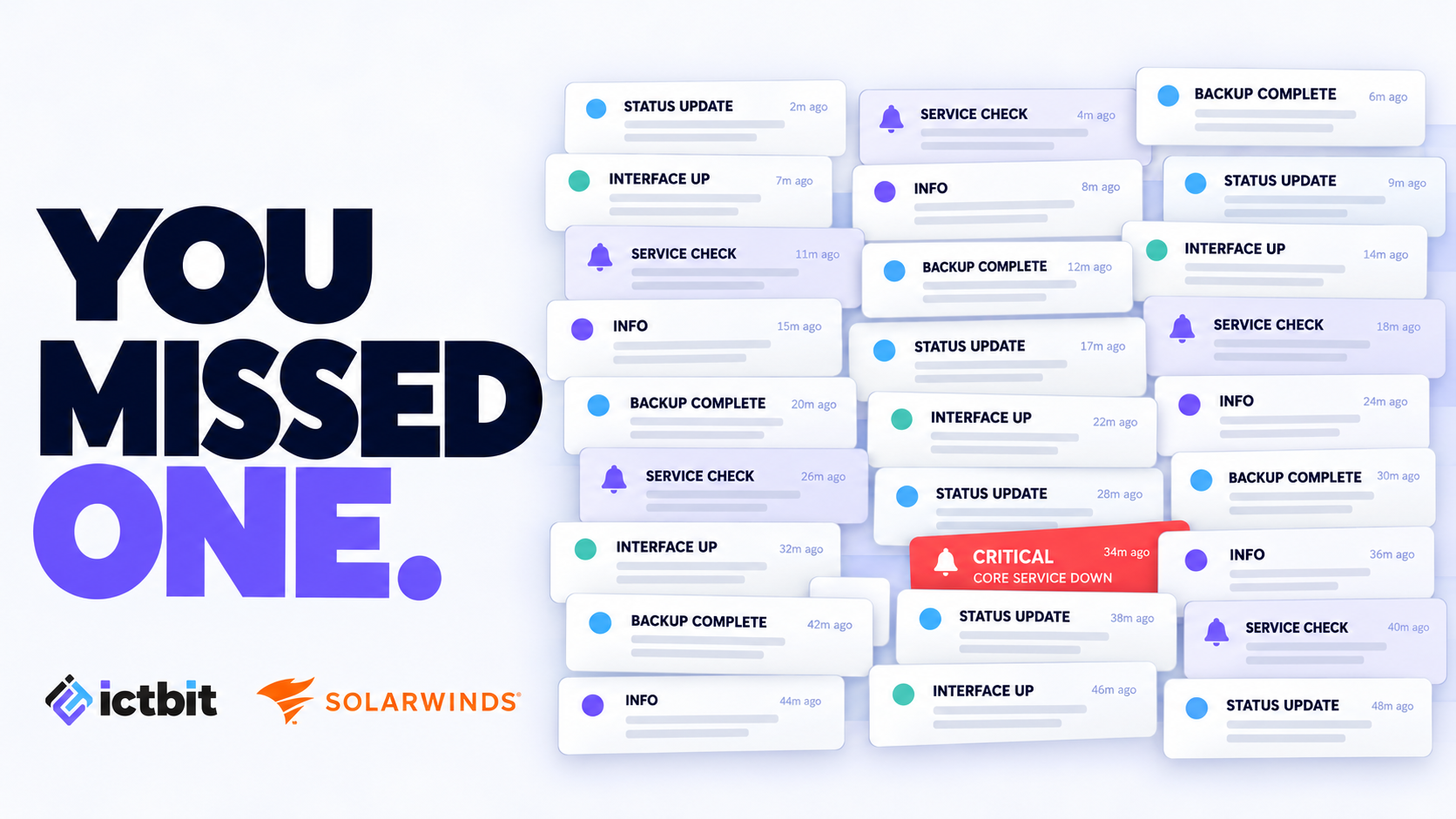
A monitoring platform can detect a problem and still fail to get anyone’s attention.
When IT teams repeatedly receive alerts that require no action, they start to question the next one. Over time, trust erodes. A critical warning can disappear into the same stream of notifications the team has learned to dismiss.
SolarWinds offers extensive monitoring capabilities. Turning those capabilities into reliable operational insight takes careful configuration, an understanding of business priorities, and ongoing refinement as the environment changes.
Default Settings Are a Starting Point
A threshold that makes sense for one server may be inappropriate for another. A scheduled backup may create an expected load spike, while a sustained increase in response time for a critical application could warrant investigation. Effective monitoring needs to reflect those differences.
SolarWinds supports customized thresholds and statistical baselines that help establish normal behavior for monitored objects. Those baselines still need operational context: what is normal for a system does not automatically tell you what is acceptable for the business. documentation.solarwinds.com
One Failure Can Trigger Many Alerts
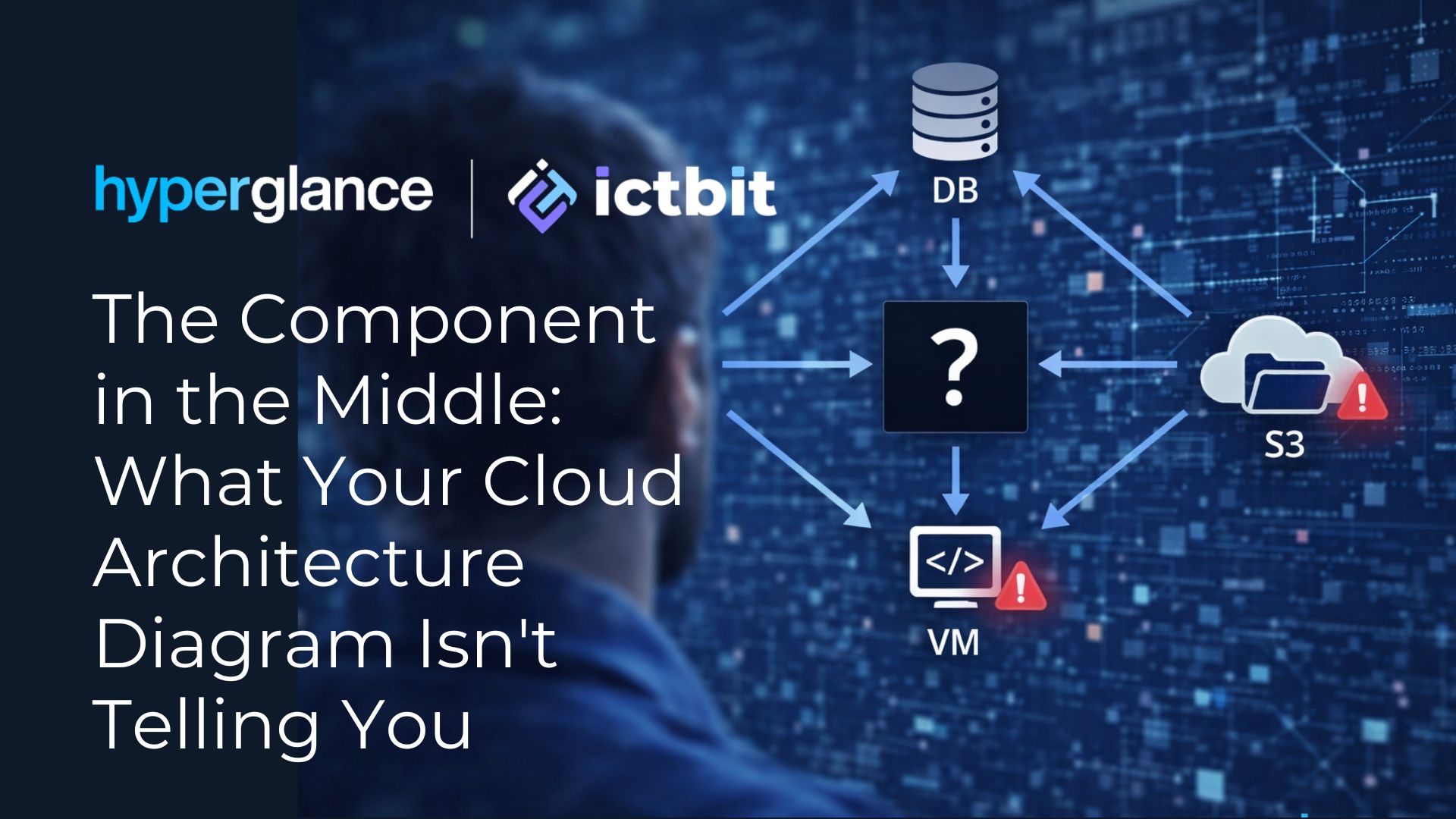
Consider a core network device that stops responding. Devices that depend on it may also appear unavailable. Without defined dependencies, the team can receive several separate alerts and begin investigating each one, even though they stem from the same failure.
Mapping dependencies in SolarWinds helps represent these relationships and reduce unnecessary down alerts for devices that have become unreachable because of an upstream failure. This gives the team a clearer starting point for investigation and helps it assess the scope of the disruption. documentation.solarwinds.com
Dashboards Should Support Decisions
A useful dashboard should help answer practical questions: Which service is affected? How widespread is the issue? What needs attention first?
The design should reflect the people using it. Operations teams need enough detail to guide troubleshooting. IT leaders need a clear view of critical services and the potential business impact. Organizing technical data around those needs makes it easier to decide what to do next.
Monitoring Needs to Evolve with the Environment
An accurate configuration at deployment can become less useful as services, infrastructure, and workloads change. Alert thresholds and dependencies need to keep pace.
Continuous tuning means reviewing recurring alerts, updating dependency relationships, and adjusting dashboards. Past incidents also provide useful feedback. Did the alert help the team identify the problem? Did it contain enough information to support a response? What should change before the next incident?
The ICTBIT Approach
At ICTBIT, we work with SolarWinds in financial institutions, defense organizations, and military environments, where availability and dependable operational information are critical. That experience shapes how we design monitoring, configure alerts, and build dashboards.
We focus on the way each environment actually operates: its traffic patterns, critical services, and dependencies. Our work continues beyond deployment, with ongoing tuning to keep monitoring relevant as the organization evolves.
SolarWinds provides the power. ICTBIT makes sure it is used the right way.
If your team spends too much time deciding which alerts deserve attention, it may be time to review your monitoring configuration. Talk to ICTBIT about making SolarWinds work more effectively for your environment and your team.