Why modern application threats rarely look like “attacks” anymore?
In a world where nearly every business service runs on an application – a website, mobile app, or API – application servers have become the primary gateway to the business.
They are exposed to the internet 24/7, directly connected to sensitive data, and constantly evolving. Yet in many organizations, they remain one of the least understood and least protected layers of the security stack.
Attackers are well aware of this. That’s why a growing share of today’s attacks happens in real time – targeting application servers while they actively process legitimate user requests.
Today’s Attacks Are Far More Creative Than We Like to Admit
Forget the attacks you’ve seen in movies.
Modern application attacks are subtle, adaptive, and often technically “valid”:
- Bots that closely imitate real user behavior
- Login attempts using credentials stolen from unrelated breaches
- Clever bypasses of rate limits and system controls
- Abuse of business logic rather than exploitation of code
In many cases, attackers don’t “break in” at all.
They simply use the application exactly as it was built – just not as it was intended.
Password-reset flows abused to take over accounts.
Shopping carts manipulated due to incomplete validation.
Sensitive data exposed through overly detailed error messages.
These scenarios are common, difficult to spot, and often discovered too late.
The Real Challenge: Catching It Before Damage Is Done
So how do you know something is wrong?
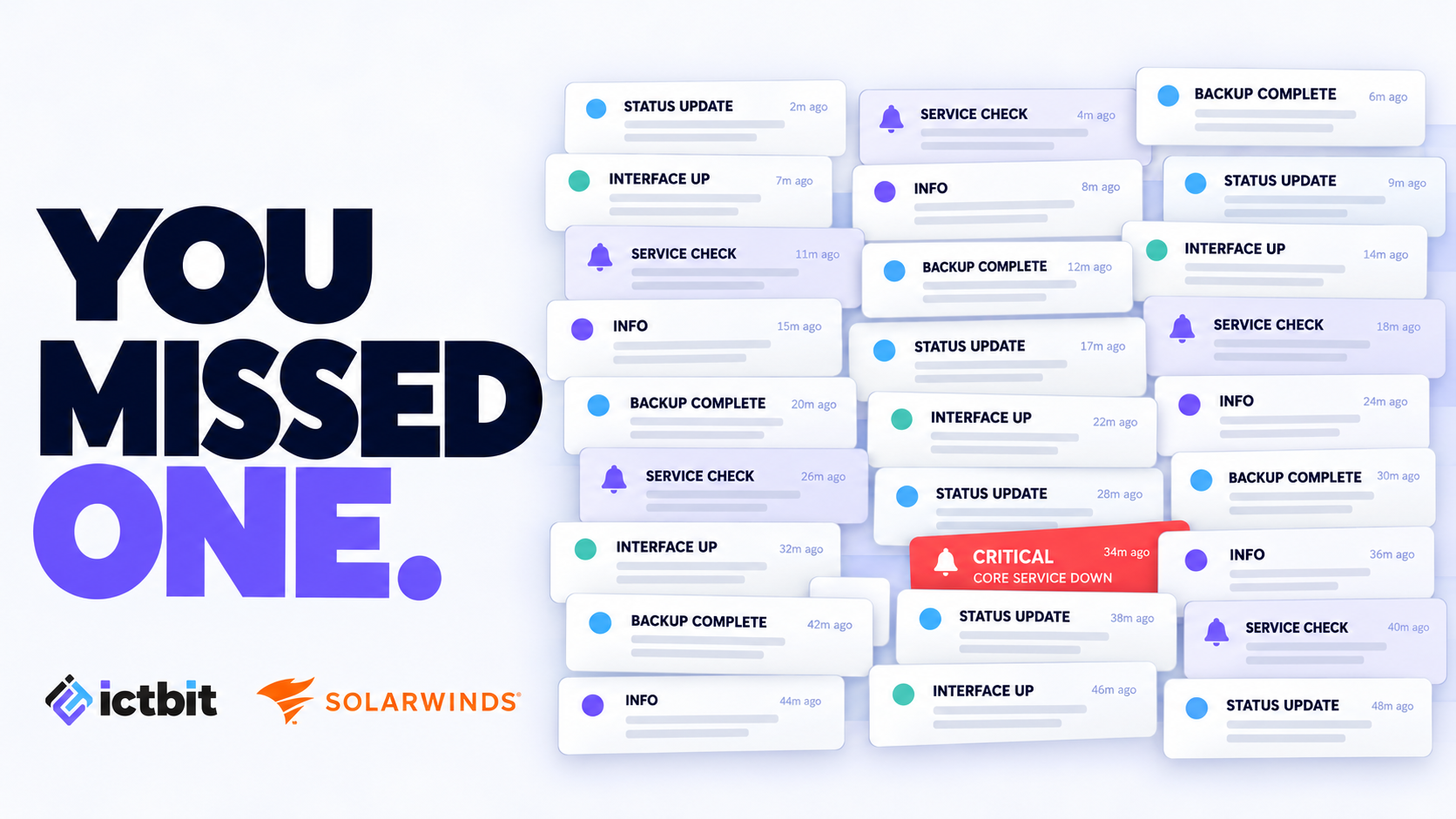
Traditional logs rarely help. They are noisy, retrospective, and usually tell the story only after damage has already occurred. Searching through them often feels like looking for a needle in a haystack – once the haystack is already burning.
What security teams really need is real-time visibility:
Who is accessing the application right now?
From where? How often? At what pace?
And what exactly are they trying to do?
Tools such as web application firewalls, API security platforms, and runtime monitoring systems can help – but only when they are deployed correctly and continuously tuned.
Without that ongoing investment, they either generate endless alerts that teams learn to ignore, or fail silently when detection actually matters.
How to Build Detection That Actually Works
Effective real-time detection starts with understanding “normal”.
How many users typically access the application?
Which flows are business-critical or sensitive?
How do legitimate users behave over time?
Once normal behavior is clearly defined, meaningful deviations become visible:
- Repeated attempts to reach the same endpoint
- Sudden traffic from regions with no customer base
- Requests to rarely used or legacy pages
- Activity at speeds no human user could maintain
Detection is not about reacting to every anomaly – it’s about recognizing patterns that don’t belong.
Applications Change. Risk Changes With Them.
Applications are not static systems.
Every new feature, code update, or external integration subtly changes the attack surface. Like adding a new room to a house, security assumptions must be revisited – or new doors are left unlocked.
That’s why real-time application threat detection is not a one-time project.
It’s an ongoing process that requires collaboration between developers, security teams, and analysts – all sharing context and continuously refining detection as the application evolves.
Early Detection Is the Difference Between Containment and Crisis
Organizations that internalize this approach tend to spot attacks when they still just “look a bit odd” – long before they escalate into incidents, headlines, or emergency bridge calls.
The gap between early detection and late discovery is often the difference between an issue resolved quietly and a crisis that wakes everyone up in the middle of the night.
Closing Thought
Want to detect application attacks before they cause damage?
It’s time to move beyond one-off controls and adopt real-time, behavior-based detection.