Human vs. Machine: The Future of Cybersecurity Analysis
AI in Cybersecurity: Will It Really Replace the Human Analyst?
Reality Is More Complicated Than It Looks.
The question haunting the infosec industry isn’t hypothetical anymore. AI-powered systems are already decoding logs, prioritizing alerts, spotting network anomalies, and churning out automated reports at speeds that leave human analysts in the dust.
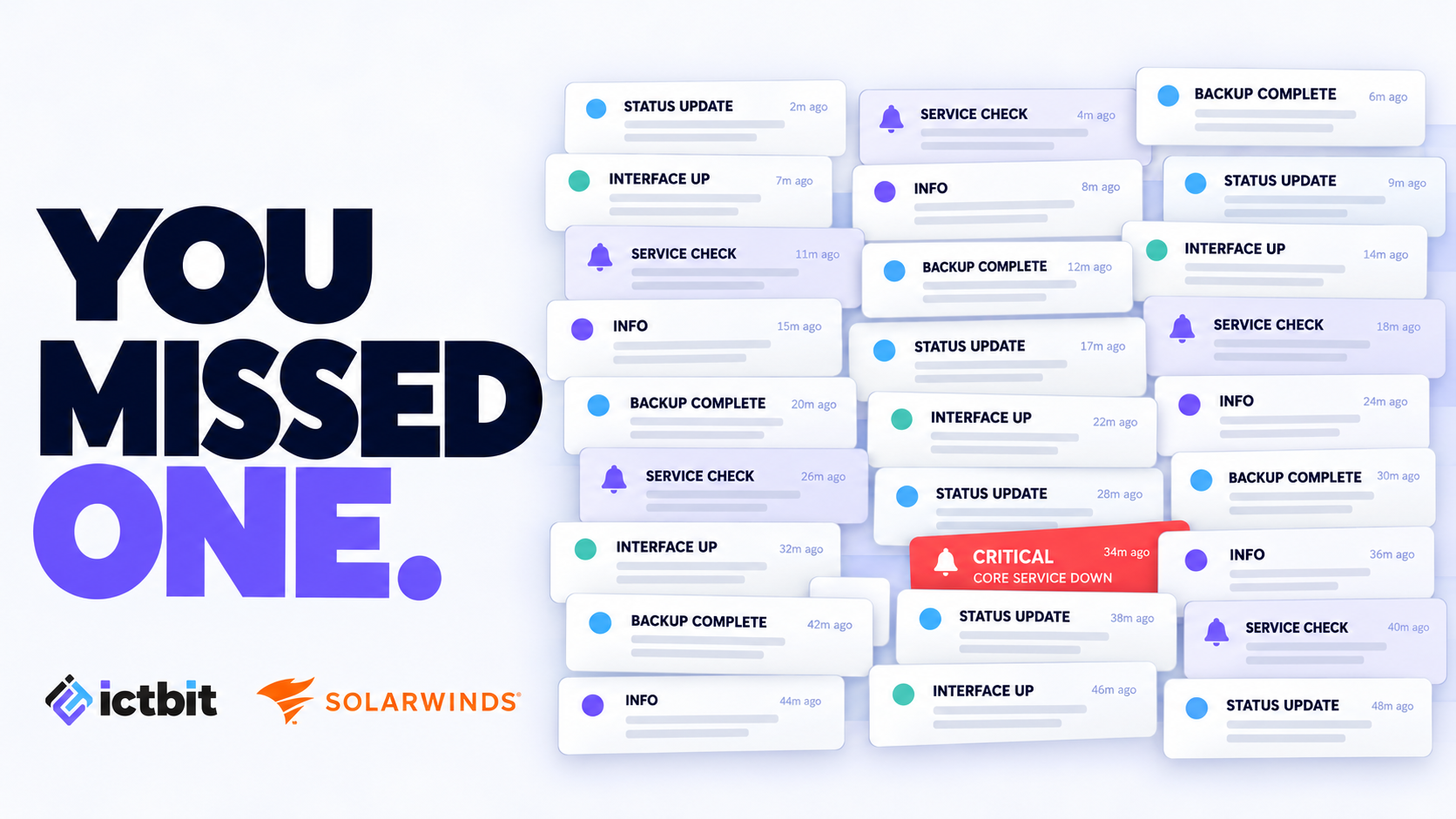
But here’s what keeps security leaders up at night: How long should it take a team to review 10,000 alerts a day? Should we trust AI to make critical security calls – or just use it to filter out the noise? And what happens when an AI model screws up and confidently recommends shutting down a production server?
Where AI Shines
Let’s be clear – AI brings serious firepower. These systems can tear through massive amounts of data, spot recurring patterns, and catch anomalies that humans might miss entirely. Research shows that organizations leaning heavily on AI for cybersecurity have slashed their alert investigation times dramatically.
In many SOCs, AI is already handling the first wave of triage – filtering noise, cutting down false positives, and surfacing the incidents actually worth investigating. According to industry surveys, most senior executives believe AI is essential for responding effectively to cyberattacks these days.
Why Humans Still Matter
Here’s where the rubber meets the road – the gap between what AI can do and what’s actually required to manage complex security incidents. Modern cyberattacks evolve on the fly, attackers pivot tactics in real-time, and business context matters just as much as the technical details. Figuring out whether an alert is genuinely critical requires human judgment: What does this incident mean for our organization? Which system got hit? What are the implications for customers, compliance requirements, and our reputation?
AI has some serious blind spots:
Lack of human judgment – AI is just data and algorithms. It doesn’t have the reasoning or creativity needed to grasp complex situations.
False positive overload – AI systems can get buried in false alarms, struggling to separate real threats from normal activity.
Algorithmic bias – If the training data is skewed or incomplete, the AI will make flawed decisions.
New attack vectors – AI systems themselves can be targeted and exploited, becoming vulnerabilities rather than defenses.
The Near Future: Partnership, Not Replacement
The real question isn’t “Will AI replace analysts?” It’s “Which analysts will thrive in a world where AI is part of the team?”
Smart security analysts aren’t worried about machines taking their jobs – they’re learning how to work alongside them. Analysts who know how to leverage these tools, ask the right questions, validate findings, and bring human judgment to the table will come out on top. The role is evolving: instead of grinding through repetitive tasks, analysts will focus on strategy, managing AI systems, and making judgment calls that require deep business insight.
The Bottom Line
AI is a powerful weapon in cybersecurity, but it’s not a silver bullet. The future belongs to organizations that know how to blend technological muscle with human expertise. As infosec professionals, we’re right in the middle of this transformation – and the choices we make today about balancing automation with human oversight will determine how ready we are for tomorrow’s threats.