When You Can’t See Your Cloud, You Can’t Manage It
Why cloud visibility has become the foundation of effective operations – and how we’re helping customers close the gap.
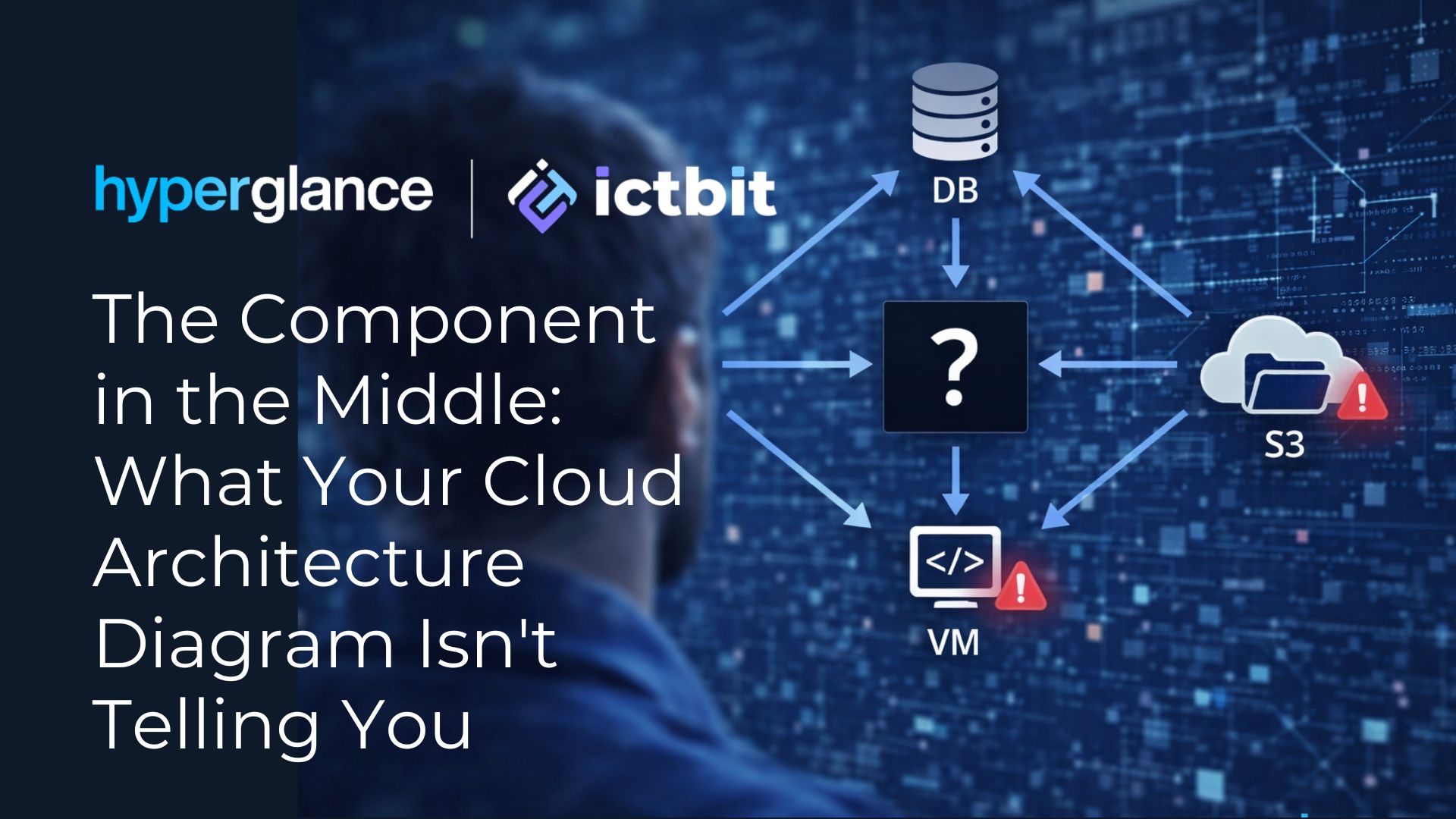
Modern cloud environments are not static. They grow, evolve, and accumulate complexity in ways that rarely show up in architecture diagrams. New services are added, integrations multiply, and dependencies form quietly in the background – until one day, the clean diagram that once described your infrastructure no longer reflects what’s actually running.
This isn’t a failure of planning. It’s a natural consequence of building in the cloud. The challenge is what happens next: when something breaks, or when you need to answer a question like “which team owns this resource?” or “why is this cost line growing?” – the answer isn’t always clear.
“When something goes wrong, the real challenge often isn’t fixing the issue. It’s figuring out where it actually started.”
The gap between design and reality
There’s a growing distance between how cloud architectures are designed and how they actually look in production. Infrastructure teams often work from diagrams and documentation that were accurate at a point in time – but cloud environments don’t wait for documentation to catch up.
This visibility gap creates real operational risk. It slows down incident response, complicates cost allocation, and makes it harder for platform and FinOps teams to answer basic questions about resource ownership and spend. The teams responsible for cloud efficiency are often working with incomplete context.
A new partnership: ICTBIT and Hyperglance
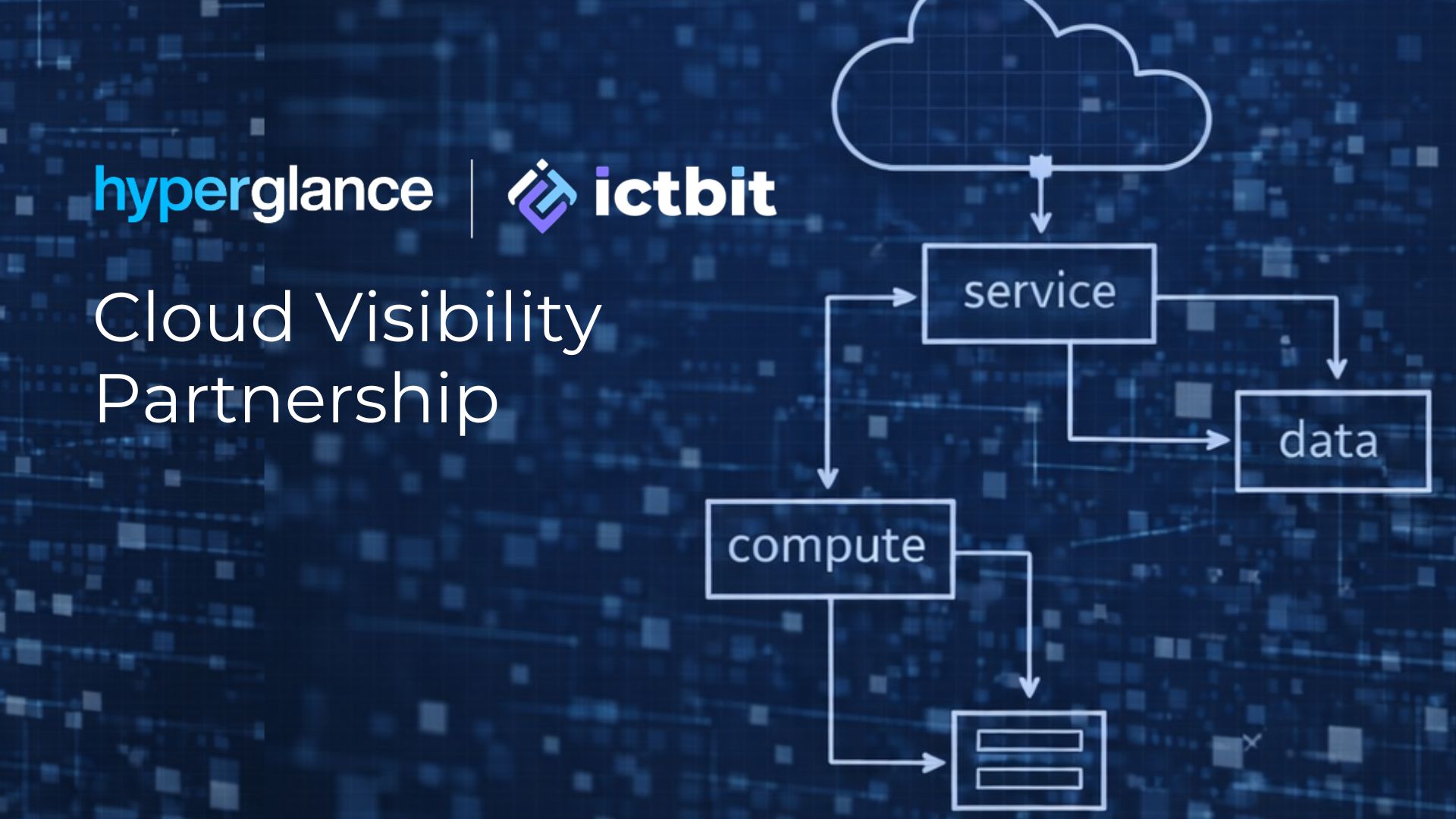
To help our customers close this gap, we’re excited to announce our partnership with Hyperglance – a cloud visualization and dependency mapping platform built specifically for the complexity of modern cloud environments.
Hyperglance gives teams a live, accurate view of how their cloud environments are structured: which resources exist, how they’re connected, which services they support, and where inefficiencies or ownership gaps might be hiding.
What this partnership enables
- A live, accurate map of your cloud environment – dependencies, connections, and resource relationships as they actually exist
- Clearer context for cost allocation – understand which costs belong to which services, teams, or workloads
- Faster incident response – trace issues to their origin without manual investigation across disconnected tools
- Proactive identification of waste – surface unused or underutilized resources before they become significant spend
- Better resource ownership – give teams the clarity they need to take accountability for what they run
Visibility as a foundation, not a feature
Cloud visibility is sometimes treated as a nice-to-have – something to invest in once the architecture is stable. But in practice, architecture is never fully stable. The value of visibility comes precisely from having it during periods of change, growth, and operational pressure.
When your team can see how the environment is connected, they can make better decisions – not just about incidents, but about optimization, ownership, and cost. Visibility turns reactive operations into proactive ones.
Through our partnership with Hyperglance, ICTBIT customers will have access to the tools that make this possible. In the coming days, we’ll share a practical architecture thought experiment that illustrates why this kind of visibility matters – not just for resilience, but for smarter cloud cost and resource decisions.
Stay tuned.
Interested in cloud visibility for your environment?
Reach out to the ICTBIT team to learn how Hyperglance can help your organization gain a clearer picture of your cloud – and make better decisions about cost, ownership, and optimization.